

Views: 0 Author: Site Editor Publish Time: 2026-11-11 Origin: Site


Are exorbitant grinding costs steadily draining your plant's maintenance budget? In the harsh, high-friction environment of cement, coal, or slag processing, internal castings degrade at an alarming rate. This rapid deterioration does more than just plummet grinding efficiency. It triggers exceptionally costly, unplanned downtime that completely wrecks production schedules.
However, you do not have to accept premature failure as a normal cost of doing business. By executing meticulous maintenance protocols and upgrading to superior metallurgical parts, plant engineers can drastically extend machine life. In this comprehensive optimization guide, you will discover proven, actionable strategies to reduce equipment wear permanently and keep your operations running at peak profitability.
Material Selection is Critical: Upgrading to high-chrome alloys and ceramic-matrix materials significantly extends the operational lifecycle of grinding parts.
Operational Harmony: Balancing grinding pressure, feed rate, and internal airflow prevents excessive vibration and damaging metal-to-metal contact.
Proactive Maintenance Saves Capital: Routine hardfacing and meticulous daily inspections can save facilities thousands in premature replacement expenditures.
Tramp Metal Prevention: Installing reliable magnetic separators is a non-negotiable requirement to shield your machinery from catastrophic impact damage.
To effectively mitigate equipment degradation, plant engineers must first grasp the fundamental mechanics of vertical grinding. A vertical roller mill operates on the principle of comminution via intense pressure and shear forces. Raw materials are continuously directed onto a rotating grinding table. As this table turns, centrifugal force drives the material outward. Here, it is aggressively crushed beneath heavy hydraulic rollers.
While this mechanism is highly energy-efficient compared to traditional ball mills, it creates an incredibly hostile environment. Friction is relentless. When combined with extreme hydraulic pressure, it inevitably degrades the internal castings. Recognizing how this wear happens is your first step toward stopping it.
Recent industrial sector analyses reveal a decisive shift toward predictive maintenance protocols. Driven by escalating energy costs and stricter environmental sustainability targets, modern processing plants are moving away from traditional reactive strategies. According to recent global cement and mining efficiency reports, plants adopting continuous condition monitoring have seen up to a 40% reduction in catastrophic failures.
Furthermore, material science is undergoing a major evolution. Traditional high-chrome alloys are beginning to reach their performance ceilings in ultra-abrasive applications like blast furnace slag. Consequently, the industry is heavily pivoting toward Metal Matrix Composites (MMCs) and AI-driven vibration analytics. These advanced technologies empower engineers to detect subsurface micro-spalling weeks before a critical failure manifests. This effectively transitions wear management from a guessing game into a precise, data-driven science.
Component degradation in grinding applications is rarely triggered by a single isolated factor. Rather, it is typically a complex combination of mechanical forces acting simultaneously on the metal surfaces. Plant managers generally categorize these destructive forces into three primary mechanisms:
Abrasive Wear: Serving as the most prevalent form of degradation, this occurs when hard particles in the raw feed gouge and scratch the metal surfaces. Think of high-quartz raw meal acting like heavy-grit sandpaper. Over thousands of hours, this continuous scouring removes significant amounts of metal, severely altering the original geometric profile of the grinding tools.
Impact Wear: This type of wear is sudden, unpredictable, and often severe. It happens when foreign hard objects enter the grinding chamber or when a sudden drop in material bed depth occurs. Without a sufficient cushion of raw material, the heavy rollers crash directly onto the table. This causes immediate gouging, edge chipping, or deep structural fractures.
Fatigue Wear: Also known as surface spalling, this phenomenon develops due to the repetitive, cyclical high-pressure loading inherent in the crushing process. Millions of compression cycles force subsurface micro-cracks to form. Eventually, these microscopic fissures propagate to the surface. The result is large flakes of metal violently breaking away.
| Wear Mechanism | Primary Cause | Visual Indicator on Components | Impact on Production |
|---|---|---|---|
| Abrasive Wear | High friction from hard raw materials (e.g., high silica content). | Deep, parallel grooves; smooth but heavily worn profiles. | Gradual loss of grinding efficiency; higher power draw. |
| Impact Wear | Tramp metal, insufficient material bed depth. | Deep gouges, chipped edges, localized structural fractures. | Sudden spikes in vibration; immediate risk of catastrophic failure. |
| Fatigue Wear | Continuous cyclical hydraulic pressure over thousands of hours. | Surface spalling, flaking, subsurface micro-cracking. | Uneven grinding surface; poor particle size distribution. |
The true financial impact of worn components extends far beyond the mere purchase price of replacement castings. As the profile of the grinding tools degrades, the mill progressively loses its ability to effectively nip and crush the material bed. This leads to a cascade of operational inefficiencies.
Initially, worn profiles decrease grinding efficiency. The mill must run longer and consume substantially more electrical power to achieve target throughputs. Even a 5% drop in efficiency translates to massive MW/h losses over a quarter. Furthermore, a degraded grinding profile negatively impacts the Particle Size Distribution (PSD), directly compromising the quality of the final processed material. Ultimately, the amplified vibration caused by unevenly worn parts accelerates wear on other critical mechanical systems, such as the main gearbox and hydraulic tensioning cylinders.
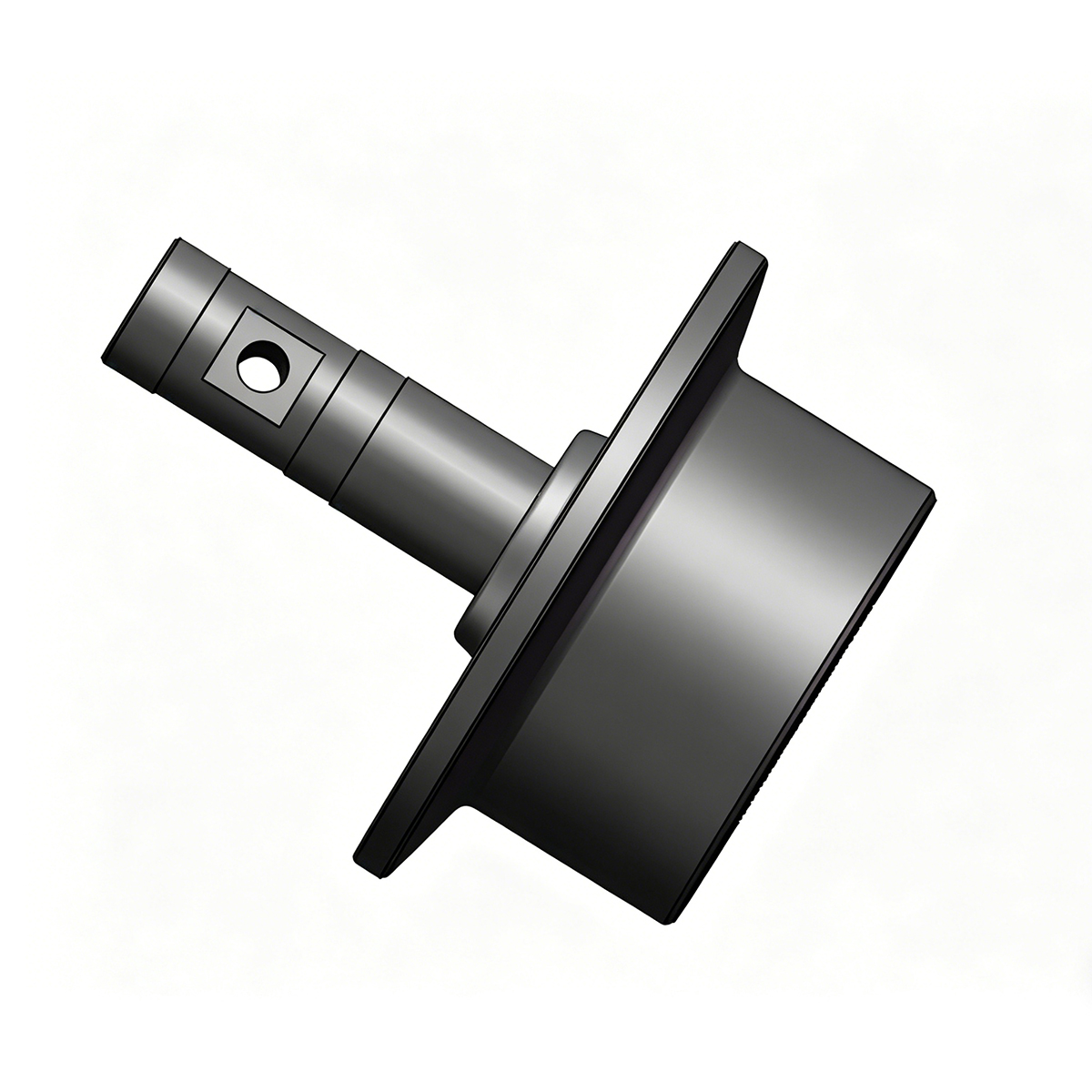
Not all parts within a grinding system degrade at an equal pace. By identifying the specific components that absorb the most punishment during operation, procurement officers and maintenance teams can allocate their budgets far more effectively.
The vertical mill roller is arguably the most critical component within the comminution zone. Acting as the primary crushing implement, the roller applies intense hydraulic pressure directly onto the raw material bed. Depending on the specific mill design, these rollers are equipped with either solid cast tires or segmented wear plates.
Because the roller remains in constant, pressurized contact with highly abrasive materials, it bears the absolute brunt of both abrasive and fatigue wear. As the roller tire wears down, its working surface frequently becomes concave. This loss of the original convex profile drastically reduces the effective grinding contact area. Consequently, the hydraulic system is forced to overcompensate to maintain throughput. Monitoring the wear profile of the roller is essential for preserving baseline energy consumption.
Directly opposing the rollers is the rotating grinding table, which is heavily lined with durable wear plates (often referred to as bowl liners). The table rotates at a precisely calculated speed, utilizing centrifugal force to continuously push the raw feed directly under the path of the rollers.
These table liners experience severe abrasive wear due to the relentless sliding friction of the material migrating outward. Over thousands of operational hours, this movement carves distinct, deep wear grooves across the table's surface. If these channels become too deep, the material bed becomes highly unstable, triggering severe mill vibration and highly inefficient crushing.
While the rollers and table manage the mechanical crushing, the internal aerodynamics of the mill dictate the separation and transport of the ground material. The nozzle rings surround the perimeter of the grinding table, directing high-velocity airflow upward to carry fine particles toward the separator.
In practice, these components are subjected to extreme, continuous erosion. The high-velocity air is heavily laden with abrasive dust particles, acting much like an aggressive sandblaster against the metal rings. As the nozzle rings wear away, the critical air velocity drops. The airflow pattern becomes distorted, resulting in larger, heavier particles collapsing back onto the table and severely bottlenecking the overall throughput capacity.
While gradual wear is an unavoidable reality of industrial grinding, premature or accelerated degradation is usually a glaring symptom of underlying operational discrepancies. Identifying these root causes is absolutely crucial for plant engineers who wish to maximize the lifecycle of their vertical roller mill equipment and sidestep the exorbitant costs associated with unexpected shutdowns.
The physical and chemical properties of the feed material largely dictate the baseline wear rate of the mill. Process engineers utilize metrics like the Bond Work Index (BWI) and silica/quartz content to accurately determine the abrasiveness of a specific material.
Materials such as blast furnace slag or high-silica clinker are notoriously abrasive. When processing these challenging materials, the friction coefficient spikes dramatically. In addition, the size and moisture content of the feed material play a pivotal role. If the feed size is too large, it demands higher grinding pressure, thereby increasing fatigue wear. Conversely, if the material is excessively dry, forming a stable material bed becomes difficult, heightening the risk of mechanical impact.
Operational parameters hold just as much weight as material properties. The hydraulic system must be perfectly calibrated to apply the exact amount of pressure required based on the material's grindability and the facility's desired throughput.
If the grinding pressure is set too high for the current material bed depth, the rollers will punch right through the protective material cushion. This operational error results in direct, catastrophic metal-to-metal contact between the roller tires and the grinding table. Such a scenario not only inflicts severe impact wear and edge chipping but also generates extreme vibrations capable of fracturing the mill's main gearbox.
Perhaps the most preventable, yet most structurally destructive, cause of premature wear is the introduction of tramp metal into the grinding chamber. Stray iron—such as broken excavator teeth, loose structural bolts, or uncrushed grinding media from upstream processes—can easily slip past initial screens.
When a 5-pound piece of tramp iron bypasses the magnetic separator and gets dragged under a roller applying 150 bar of hydraulic pressure, the resulting impact is violent. It can instantly crack a premium high-chrome roller tire or shatter a table liner segment into pieces. The financial burden of repairing this impact damage vastly exceeds the minor cost of implementing robust preventative measures on the feed line.
Transitioning from a reactive maintenance approach to a proactive, holistic optimization strategy requires a calculated combination of superior metallurgy, advanced maintenance techniques, and strict operational discipline. Implementing these proven strategies can significantly extend the Mean Time Between Failures (MTBF) for your most critical grinding parts.
The most direct method to combat severe abrasive and fatigue wear is to critically evaluate and upgrade the metallurgy of your grinding tools. Standard cast iron or low-alloy steel parts are simply insufficient for the rigorous demands of modern, high-capacity grinding operations.
Current industry standards dictate the use of High-Chromium Cast Iron (typically containing 15% to 27% chromium, achieving 60+ HRC) for rollers and table liners. These high-chrome alloys form extremely hard chromium carbides within the metal matrix, providing exceptional resistance to sliding abrasion.
Specifically, for facilities processing highly abrasive materials like slag, forward-thinking engineers are increasingly turning to Metal Matrix Composites (MMCs). Upgrading to premium wear-resistant mill components that feature ceramic inserts (such as alumina or zirconia) cast directly into the high-chrome iron base is a game-changer. The ceramic provides localized, extreme hardness to resist deep gouging, while the metal matrix absorbs the heavy impact forces, offering an operational lifespan that can be two to three times longer than standard alloys.
Procuring brand-new castings every time a wear profile degrades is rarely economically viable. Hardfacing—the specialized process of welding a highly wear-resistant alloy layer over the worn areas of the base metal—stands as a standard industry practice to restore components to their original geometric profile.
Conveniently, hardfacing can often be performed in-situ (inside the mill) using automated welding machines. This drastically cuts down on maintenance downtime. The welding wire utilized is typically rich in chromium, niobium, or complex carbides, creating a renewed surface layer that is frequently harder than the original casting. A meticulously maintained roller or table segment can typically undergo three to five hardfacing cycles before the structural integrity of the base metal necessitates a complete replacement.
Even the most advanced metallurgical upgrades will fail prematurely if the mill is operated poorly. Plant operators must maintain strict, unwavering control over the internal environment of the mill to guarantee smooth, vibration-free operation.
The most critical operational strategy is maintaining a highly stable material bed. Operators must continuously balance the feed rate, grinding pressure, and separator speed. If the mill begins to vibrate rhythmically, operators should immediately check the differential pressure and adjust the water injection system to restabilize the bed. Furthermore, optimizing the gas flow by keeping the nozzle rings clean and maintaining proper draft velocity ensures that material is evacuated efficiently. This precise operational harmony prevents over-grinding and unnecessary friction.
Shifting from reactive repairs to proactive management is absolutely crucial for modern plant operations. Waiting for a component to fail before taking action inevitably results in catastrophic downtime and lost revenue. Therefore, plant managers must implement rigorous, data-driven maintenance schedules to preserve the structural integrity of all machinery.
A well-maintained machine operates with significantly lower vibration and higher thermal efficiency. Through consistent monitoring and routine checks, operators can identify micro-wear and subtle system anomalies long before they escalate into full-blown structural failures.
Operators require a standardized, non-negotiable checklist to accurately evaluate machine health on a continuous basis. Visual inspections and meticulous data logging serve as your first line of defense against premature wear. Tracking minor fluctuations in hydraulic pressure or bearing temperature often reveals hidden wear patterns. Below is a highly recommended inspection schedule tailored for heavy industrial maintenance teams.
| Inspection Area | Frequency | Key Indicators of Wear or Failure | Action Required |
|---|---|---|---|
| Nitrogen Accumulators | Daily | Pressure drops below baseline limits. | Check bladders for leaks; recharge nitrogen to OEM specifications. |
| Hydraulic Cylinders | Daily | Visible fluid leaks or pressure fluctuations. | Replace worn seals; inspect cylinder rods for scoring. |
| Roller Bearings | Daily | Unusual temperature spikes or acoustic anomalies. | Analyze lubricant flow; schedule vibration analysis. |
| Grinding Table Liners | Weekly | Deep, uneven grooving or localized spalling. | Measure wear profile; plan for hardfacing if limits are reached. |
| Airflow Components | Weekly | High-velocity erosion on nozzle or louver rings. | Adjust separator speed; patch eroded areas to maintain gas flow. |
The consistent utilization of this checklist prevents minor mechanical issues from snowballing into critical emergencies, ensuring your grinding geometry remains optimal for peak production.
Lubrication acts as the lifeblood of any heavy-duty rotating equipment. The bearings housed inside the roller endure immense mechanical stress and load forces. This intense friction naturally generates extreme heat, which rapidly degrades metal components if left unchecked. Should the lubrication system fail or falter, internal mechanical wear will accelerate exponentially.
To prevent this, operators must ensure the continuous, uninterrupted flow of clean, high-viscosity oil. Oil temperature and pressure must be vigilantly monitored via automated sensor arrays. Additionally, routine oil sampling stands as a mandatory preventative measure. Laboratory analysis of the oil can reveal microscopic metal shavings, which serve as early-warning indicators of early-stage bearing fatigue or seal failure.
As previously noted, impact wear remains the most unpredictable and devastating threat to your mill. Tramp metal causes absolute devastation upon entering the chamber. When uncrushable iron is introduced, the resulting impact can instantly shatter high-chrome castings and severely damage the hydraulic tensioning systems.
Consequently, installing heavy-duty magnetic separators on the primary feed belt is entirely non-negotiable. This equipment serves as the cheapest and most effective insurance policy against catastrophic impact damage. Furthermore, metal detectors should be precisely calibrated to halt the feed belt automatically upon detecting non-magnetic alloys, allowing operators to safely manually remove the foreign object.
Eventually, despite the best maintenance practices, all grinding components will reach the end of their operational lifecycle. At this juncture, plant engineers must make the critical decision between repairing the existing part or replacing it entirely. This decision heavily impacts both the immediate maintenance budget and long-term production schedules.
Importantly, not all wear necessitates a complete component replacement. Surface grooving and minor abrasive wear can frequently be repaired through hardfacing. This restores the original profile of the roller and table while extending part life without the heavy capital expenditure of buying new castings. However, hardfacing possesses strict structural limitations.
Before initiating any welding, operators must utilize Non-Destructive Testing (NDT) to thoroughly evaluate the integrity of the base metal. Techniques such as ultrasonic testing and magnetic particle inspection are vital for revealing hidden subsurface flaws. If the base metal exhibits severe thermal cracking or deep structural fatigue, hardfacing will inevitably fail because the component can no longer bear the hydraulic pressure. At this advanced stage of degradation, scrapping the part is the only safe option.
Procuring replacement parts requires partnering with a trusted, highly vetted manufacturer. It is a well-known industry fact that not all foundries produce components to the exact same rigorous standards. Poorly cast or improperly heat-treated parts will wear unevenly and fail prematurely, costing your plant heavily in the long run.
Plant managers must evaluate potential suppliers based on strict engineering criteria. First, prioritize manufacturers that offer custom casting capabilities tailored specifically to your raw material. Grinding soft coal requires vastly different metallurgy than grinding hard, abrasive clinker. Second, demand comprehensive quality control and testing documentation. A reliable supplier will always provide transparent chemical composition and hardness test reports.
Ultimately, partnering with an established expert in vertical roller mill equipment minimizes procurement risks. A specialized manufacturer deeply understands the complex dynamics of the grinding process and can recommend specific design modifications to improve wear life. This transforms maintenance from a constant operational burden into a distinct competitive advantage.
Reducing wear in heavy industrial grinding applications demands a strategic combination of high-quality metallurgical materials and highly stable operational parameters. By executing rigorous, proactive maintenance routines, plant operators can effectively prevent costly, unexpected downtime and keep production schedules on track.
Investing upfront in premium, technologically advanced components maximizes your mill's overall uptime. This strategy consistently pays for itself very quickly through increased efficiency and reduced labor costs. Do not wait for a catastrophic failure to reassess your wear management strategy. We encourage you to evaluate your current wear parts against the rigorous standards outlined above. For tailored metallurgical solutions and premium replacement parts designed to withstand the harshest grinding environments, visit BSD Machinery to secure your plant's operational future.
The operational lifespan depends heavily on the specific abrasiveness of the raw material being processed. When grinding softer materials like coal, rollers can often last well over 8,000 hours. However, processing highly abrasive materials such as cement clinker or blast furnace slag typically reduces the lifespan to between 4,000 and 6,000 hours. Routine visual and dimensional inspections dictate exactly when hardfacing or full replacement is required.
Generally speaking, rollers and grinding table liners can be successfully hardfaced 3 to 5 times. However, this depends entirely on the underlying structural integrity of the base metal. If the component develops deep thermal cracks or severe fatigue micro-fractures from prolonged pressure, welding new alloy layers will fail to hold. Thorough Non-Destructive Testing (NDT) must be performed before initiating every single hardfacing cycle.
Excessive vibration is a primary, urgent indicator of operational instability. It is most frequently caused by an uneven or inadequate material bed depth on the grinding table. Other common culprits include incorrect hydraulic accumulator pressure, worn or leaking nitrogen bladders, or severe, uneven wear grooves on the grinding table and rollers. Immediate parameter adjustments are required to stabilize the mill and prevent severe mechanical damage.
High-Chrome Cast Iron is widely considered the industry standard due to its exceptional hardness and resistance to sliding friction. For maximum abrasion resistance in highly demanding environments, modern processing facilities upgrade to High-Chrome alloys embedded with Ceramic Matrix Composites (CMC). The ceramic inserts absorb the aggressive abrasive friction, significantly extending the wear life of the metal matrix during intense, high-pressure grinding operations.


